
Links 10.2026
// Wahlnachlese Baden-Württemberg

On a Personal Note
Frens, I hope you are doing well. I had another busy week, which ended with a bit of a gut punch, i.e., the state elections in my home state of Baden-Württemberg. Once again, we seem to be heading toward the worst possible combination: a NIMBY-Birkenstock, weirdly bourgeois and Protestant Green Party, and a deeply provincial, full-scale NPC Christian Democratic Party. I guess, you know what I mean. It’s like peak Jermany™.
Since I ended up watching three hours of this whole post-election sh*tshow unfold anyway, I figured I might as well do another political analysis. Because tbh, I think most people aren't getting the point of this one. For my international readers, this will also double as a bit of a “German politics explainer.” Last year’s recap of the Bundestag election worked surprisingly well and turned out to be quite timely; so I thought we might do something similar here.
If German regional politics isn’t your preferred form of entertainment, I totally understand. In that case, just check out my latest video on the Open Axis YouTube channel instead. This time, I’m sharing my 5+1 insanely based liberal book recommendations. Like, subscribe, you know the drill.
German State Elections: Baden-Württemberg
Obviously, I’m writing this once again before the final result is officially confirmed; however, I tend to think that I have already seen enough to draw the basic conclusions you should pay attention to.
Let’s start with some context: Baden-Württemberg is the home to some of Germany’s finest culinary achievements (i.e., Spätzle, Maultaschen, etc.), its sharpest minds (Hermann Hesse, Hegel and Heidegger, or Sven Gerst), and (maybe more importantly) Germany’s core industrial regions. Think Mercedes, Porsche, Bosch, and gazillions of hidden champions, i.e., SMEs. So, it seems weird that a Green party could win in such a region. Indeed. The Greens only ever managed to win here because of the massive NIMBY (!) mobilization against Stuttgart21—one of the largest rail infrastructure projects in Europe. I mean, it literally has “21” in its name and is far from finished. You get the picture.
Here is the election result:
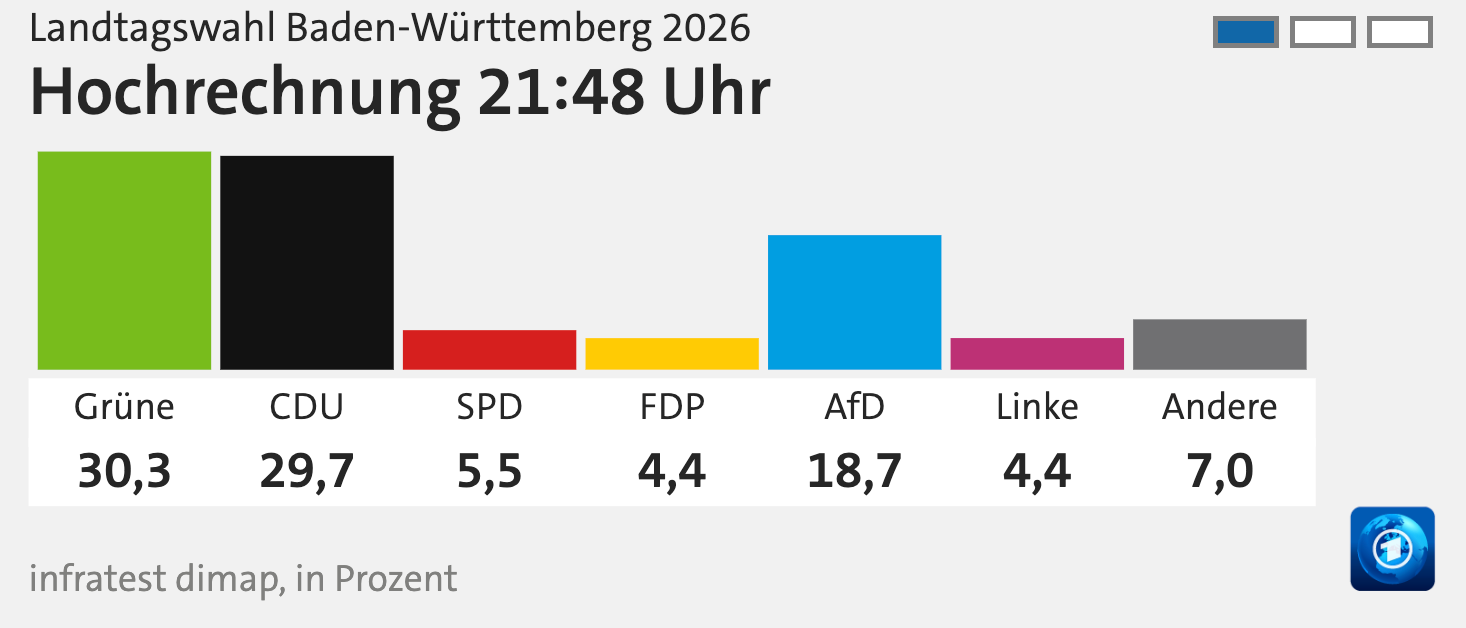
As you can see, this turned into a very tight race between the two leading camps. And this tight race only evolved in the final days of the campaign—which gave this election a very weird dynamic and affective polarization that ultimately led to massive mobilization (voter turnout increased to almost 70%).
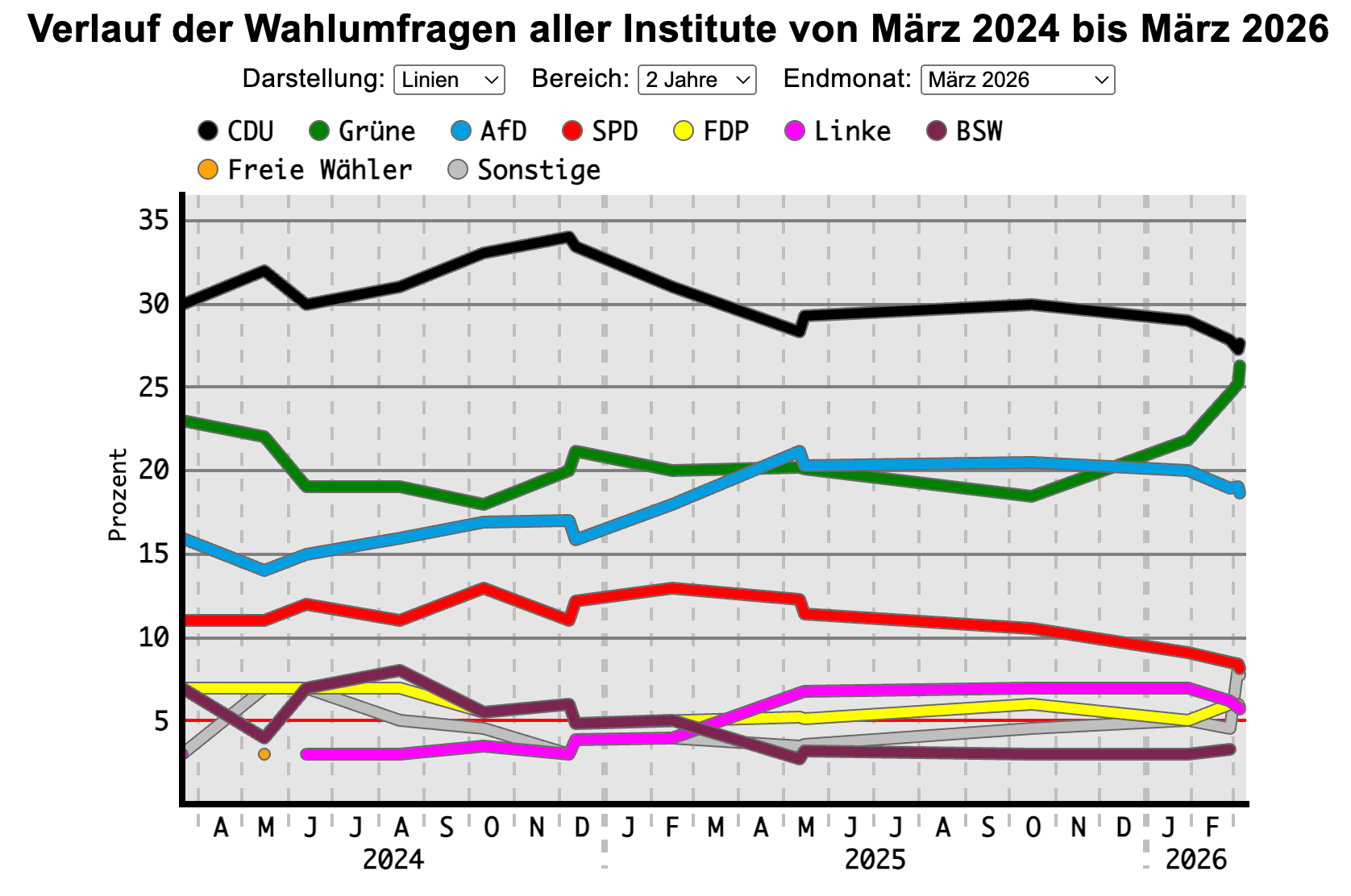
Just look at this hockey-stick curve of the Greens over the last four to five weeks:
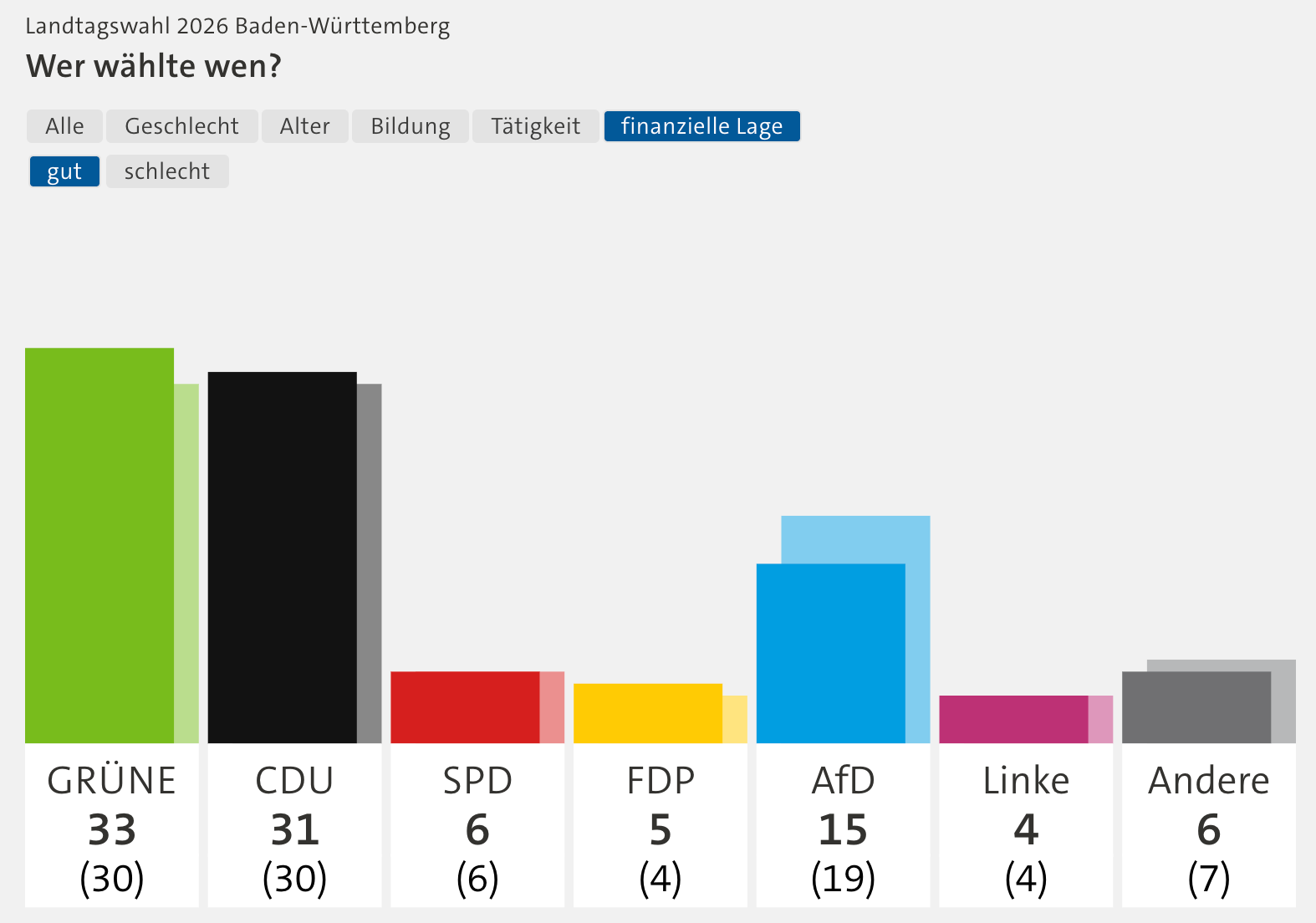
A short side note for my international readers: Many people abroad still believe that the FDP is somehow the party of the rich. In reality, the traditional stronghold of the well-off remains the NIMBY bastion aka the Greens…
1. There is not much to learn from this election for German federal politics
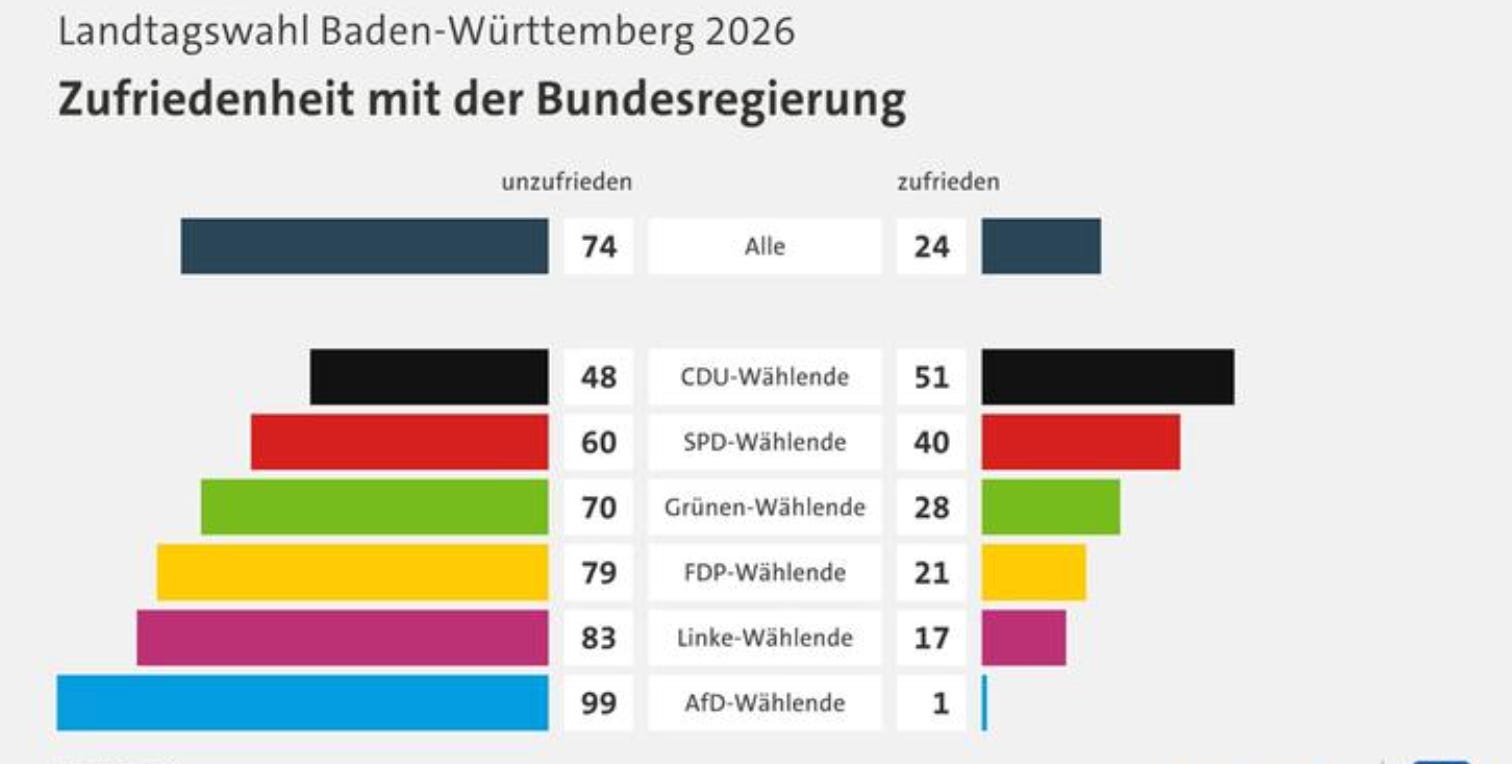
The main takeaway is that we cannot learn much from this election for the federal level. Take Merz’s CDU. The party did not really get punished. Their result is actually quite decent, especially considering that a stunning 74 percent of Germans say they are dissatisfied with the performance of the current federal government lmao
Likewise, the Greens will not be able to replicate anything close to these numbers nationally. Their performance here is highly specific to the regional dynamics of Baden-Württemberg. And even though Die Linke (The Left) failed to enter the state parliament, that will likely boost rather than negatively impact their polling at the federal level. Similarly, the AfD has bigger fish to fry (election in Eastern Germany) and the SPD is hoping for an election win in just two weeks.
For reference, this is one of the recent polls on the federal level:
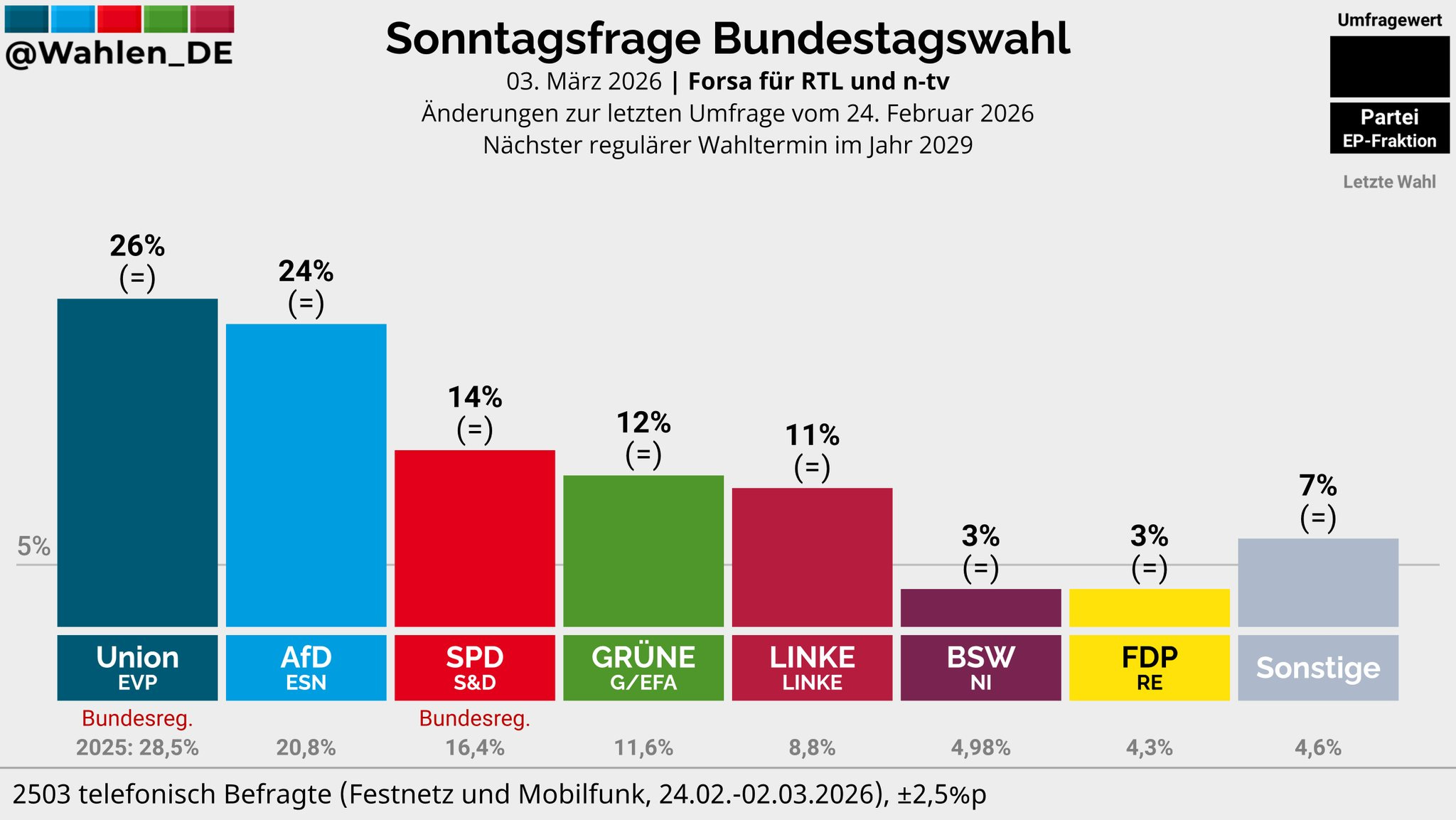
Long story short: This was an important election for Germany, no doubt; yet, these results have 0,nothing implications for overall German politics. That’s at least my reading. So, don’t get baited by political commentators.
2. The “Age of the Politician” confirmed
The main reason for everything I said before is basically that this race for the Ministerpräsident (kinda the governor or so) turned into one of the rare too-close-to-call campaigns where the two camps in the end just swallowed up their respective voter blocs. As a result, all the smaller aligned parties (i.e., SPD, FDP, Die Linke) just got squeezed out. If the election had taken place a few weeks earlier, those three parties would likely have performed much better—because at that time the CDU had a comfortable lead. The AfD, as the sole non-aligned party, is playing its own game btw. A somewhat strange dynamic.
As you can see from the results, this “race” between the two lead candidates was really just about one question. Who would head the next coalition government? Which is slightly absurd, because everybody knew that those two parties would end up governing together anyway. In other words, the outcome of this race had virtually no impact at the policy level. It was a pure personality contest. The Greens achieved their result almost entirely because their lead candidate reached record-high popularity. Unsurprisingly, he is absolutely GOATed on TikTok.
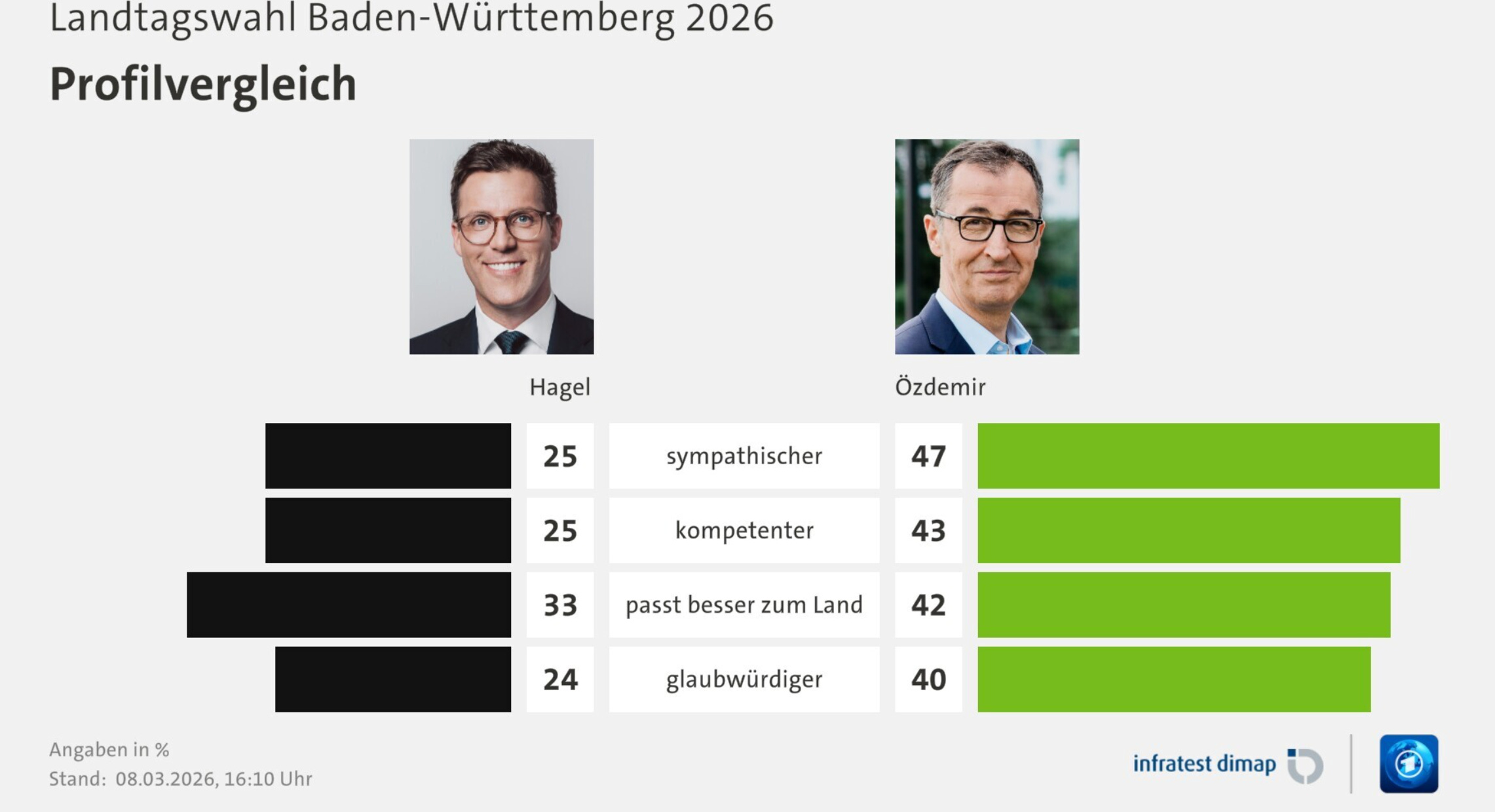
I mean, it’s really as easy as that: People just think Özdemir is a nicer dude. For example, this chart shows how many Green voters supported the party specifically because of Cem Özdemir. You rarely see numbers like that for an established party. It is almost unheard of.
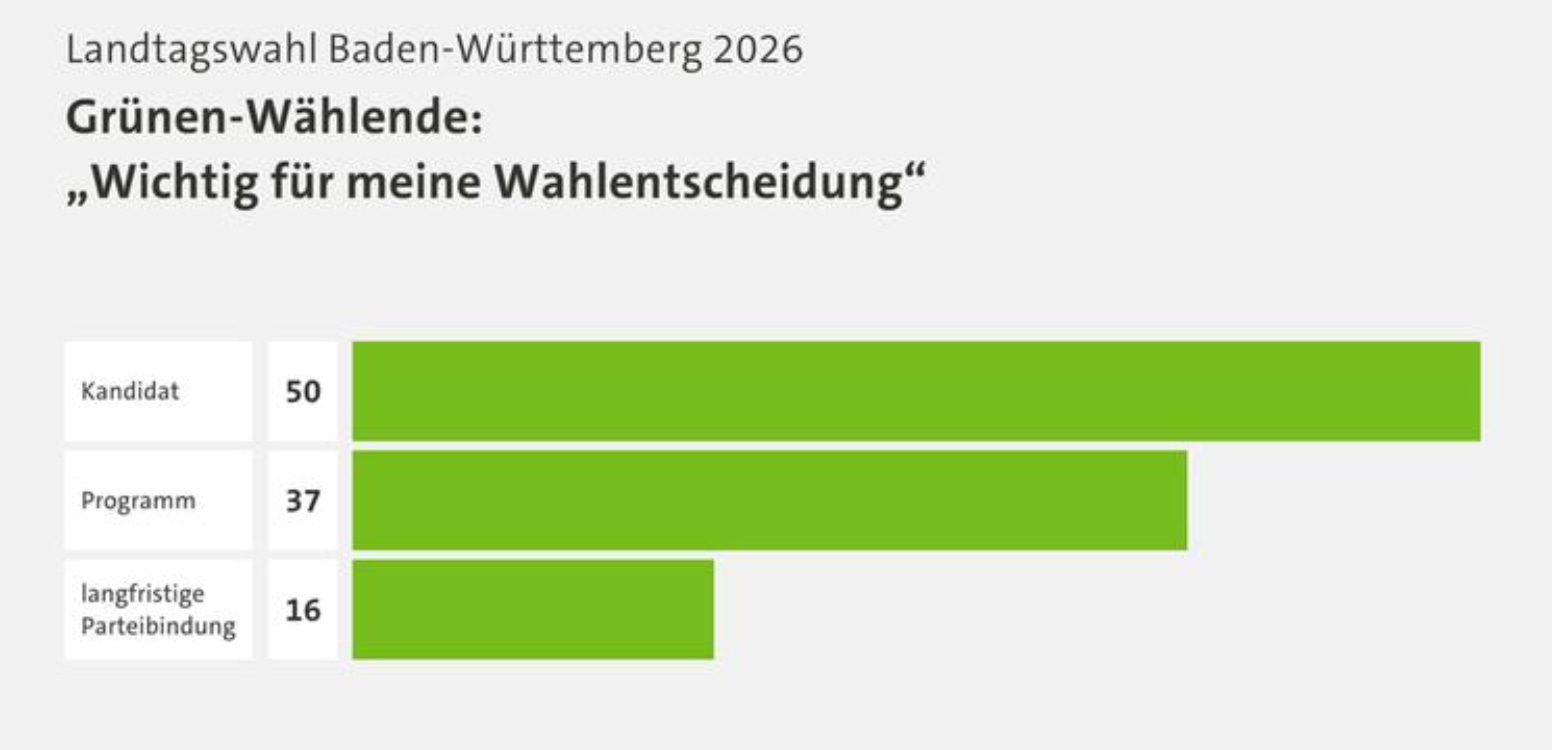
All of this confirms my broader hypothesis that the populist age is reshaping party competition. Politics obv becomes less programmatic and much more personal. In a sense, it resembles a “return of kings” w/ charisma politics in a Weberian sense.
For liberal parties, the implication is straightforward: aura-maxxing >>>
3. The result of the FDP isn’t the final nail in its coffin.
After the defeat in the last federal election, I wrote quite a few take-down posts about the FDP. This will not be one of them. I simply do not see much evidence that this particular election fundamentally changes the party’s situation (for the better OR worse, hahah).
In the end, what happened is fairly straightforward. A fragile party got swallowed by a tight race. Once the campaign became a hyper-personalized duel in the final two weeks, the smaller parties had very little room left to maneuver. That was not just an FDP problem. Without that late surge of affective block polarization, the FDP would probably have entered parliament.
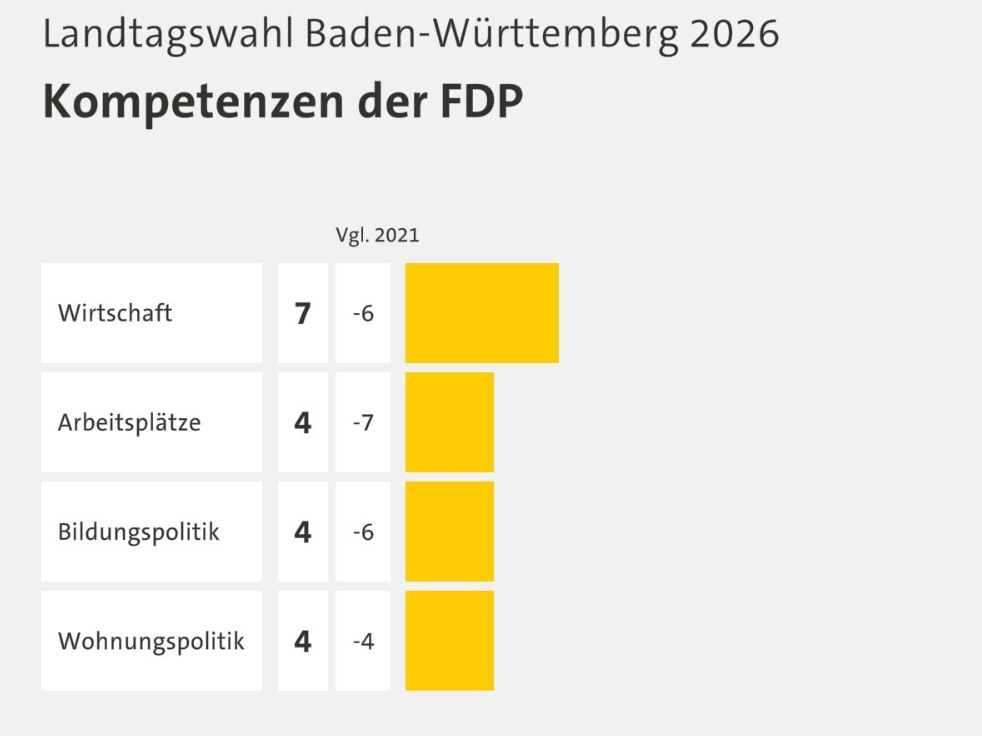
Why do I think that? First, the dominant issue for most voters was in fact “the economy.”
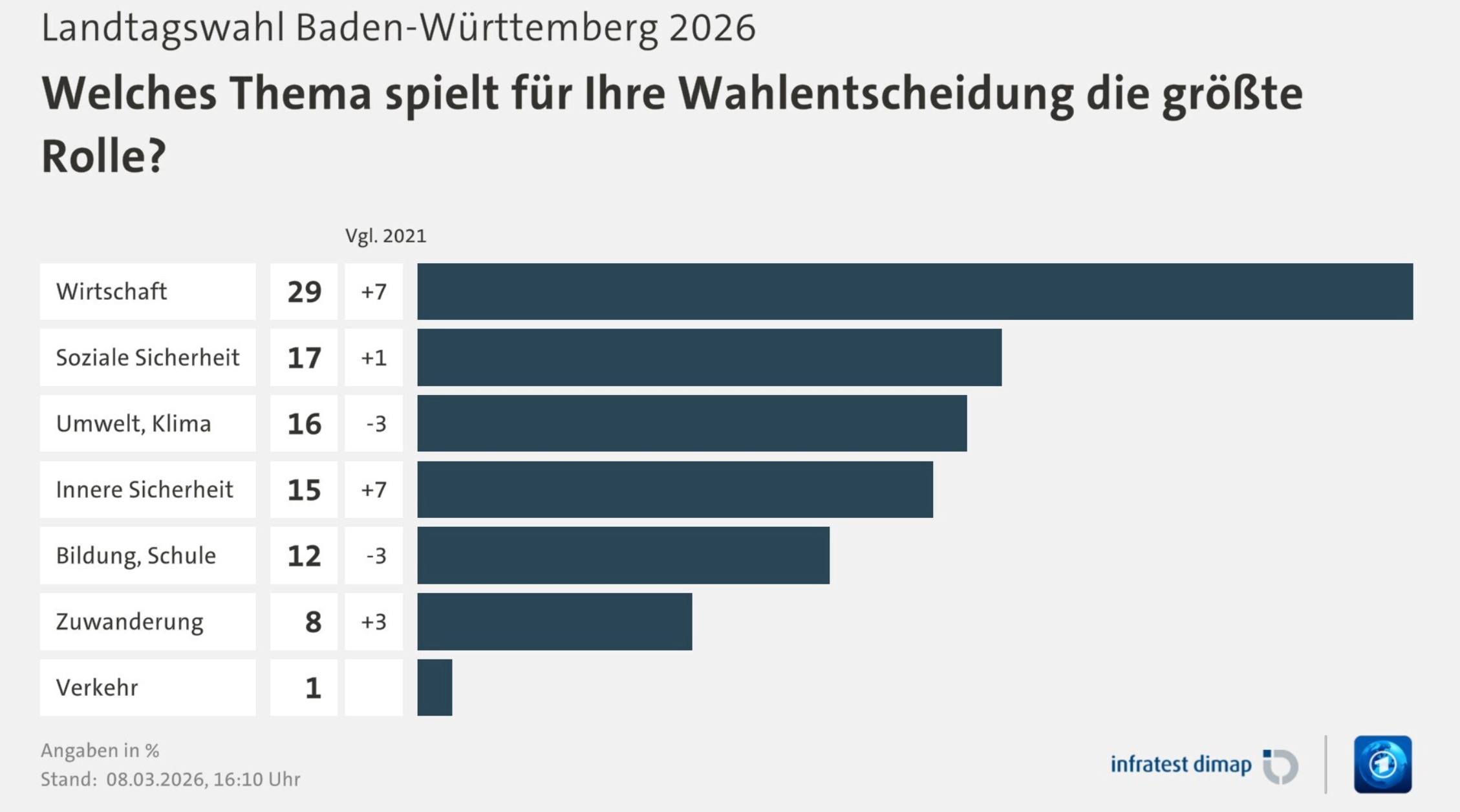
And the FDP is still perceived as competent in this area (just compare with the federal elections last year):
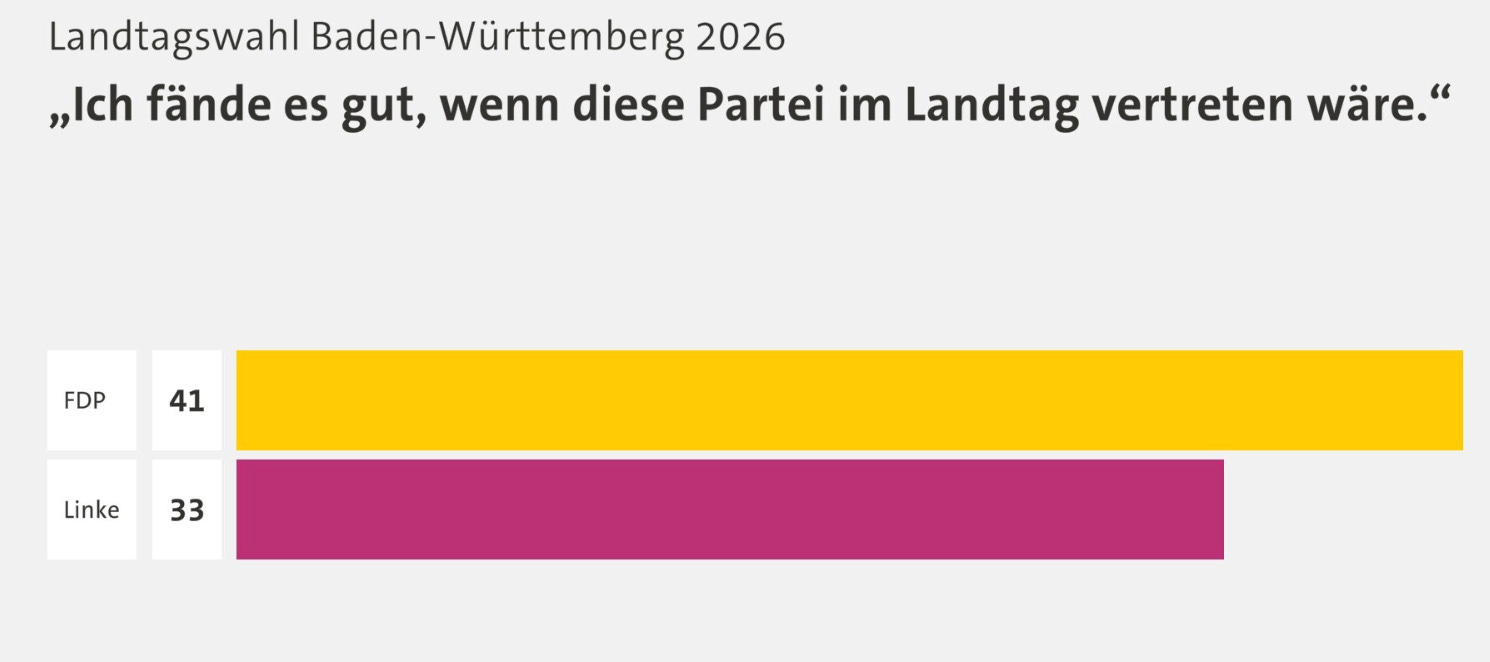
In fact, a non-trivial part of the electorate thinks the FDP should be part of the parliament:
Plus, the FDP candidate was at least somewhat well known (doesn’t mean likeable). So, the problem was (for once) not policy, competence, or personnel. In my reading, the FDP instead suffers from two structural problems—which also add to this result:
Strategic Mispositioning: This party still seems unwilling to acknowledge very basic facts about its electorate. Its core voter base is not progressive and cosmopolitan; but clearly right of center bürgerlich. As I have argued many times, as long as the FDP remains internally split on this question, their results will be predictable. The party keeps bleeding voters to the right, see here:
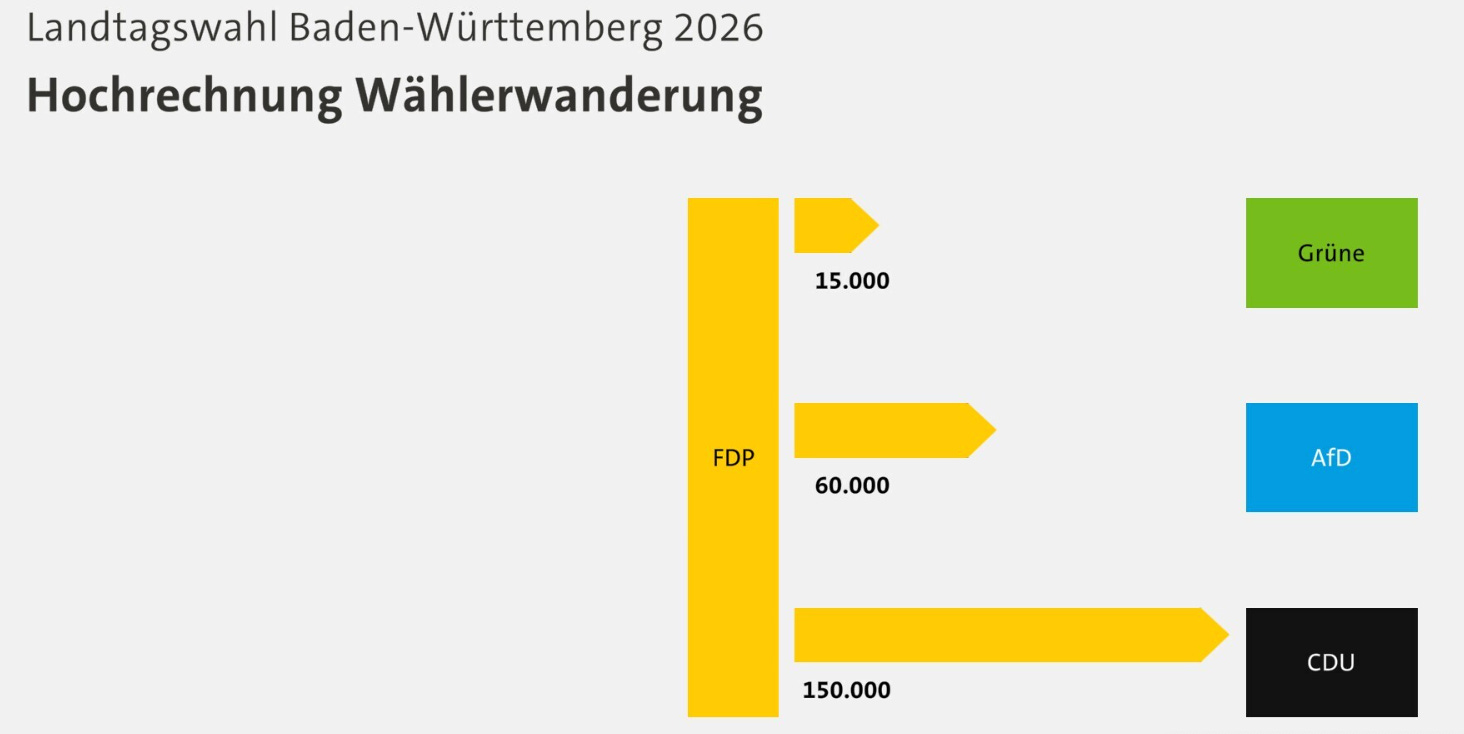
The FDP is not really losing voters to the center left. In election after election, they are losing voters to the CDU and AfD. Sure, you can just keep alienating your own core electorate. But then you need to find a new one in order to survive :P
Their leadership is cooked. They still have not managed to overcome the resentment many voters feel about the party’s role in the so-called “traffic-light coalition.” According to these polls, a striking 71 percent say the FDP has jeopardized long-term trust by participating in that government.
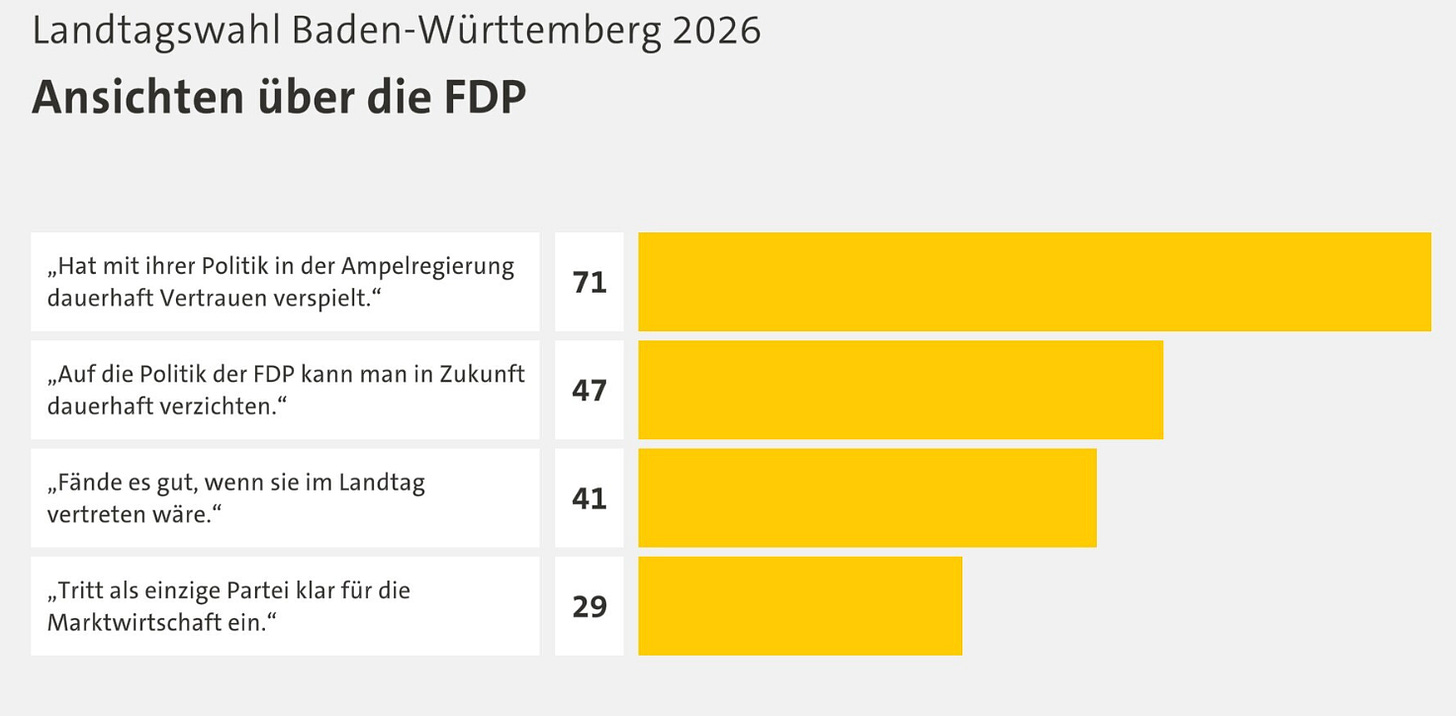
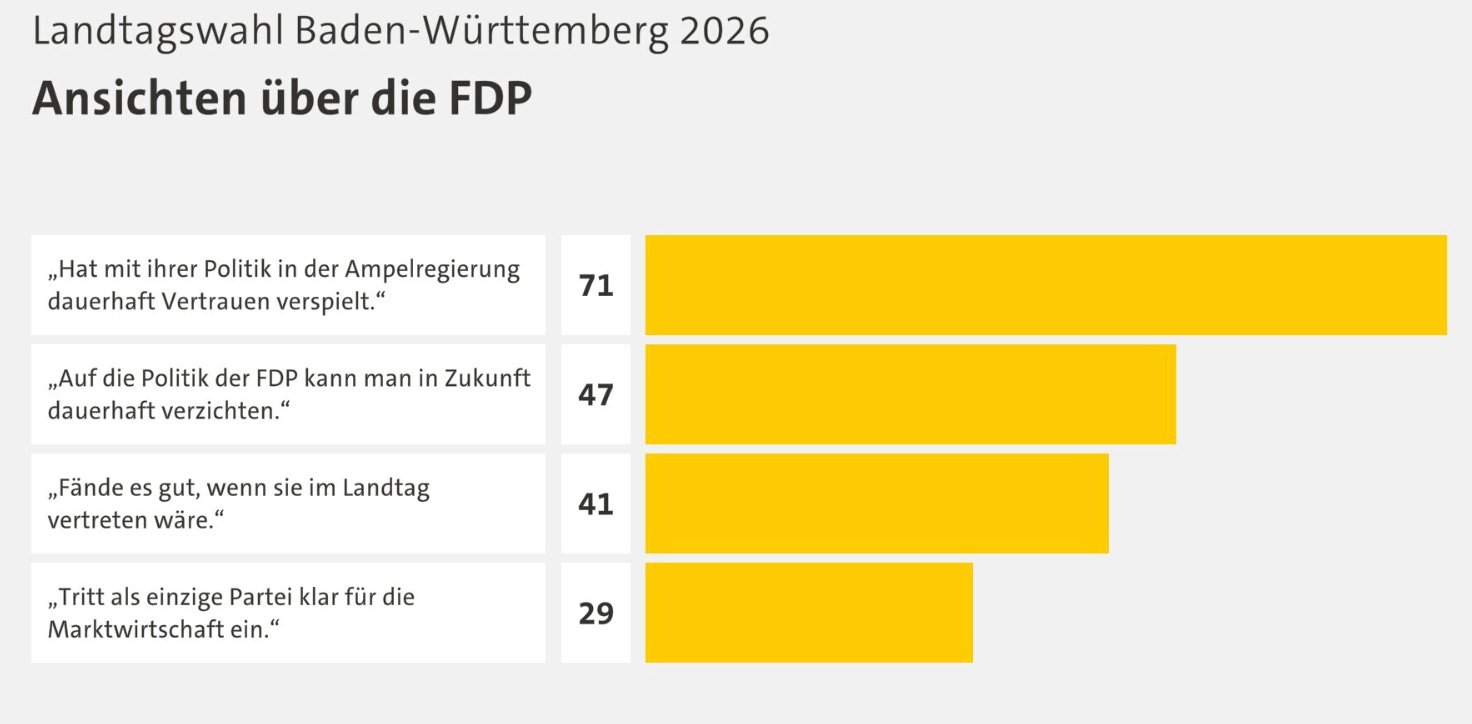
In other words, as long as the FDP continues to rely on the personnel, aesthetics, style, and overall appearance associated with the former coalition, it will remain a non-relevant political player. Of course, these things take time. But this result might open some internal pressure valves inside the party. I would not be surprised to see leadership changes very very soon.
Okay, this was a short primer. I hope this was helpful. Let me know!
Peace,
SG